






Create Science Fair Boards for Under $100 with a Poster Making Machine

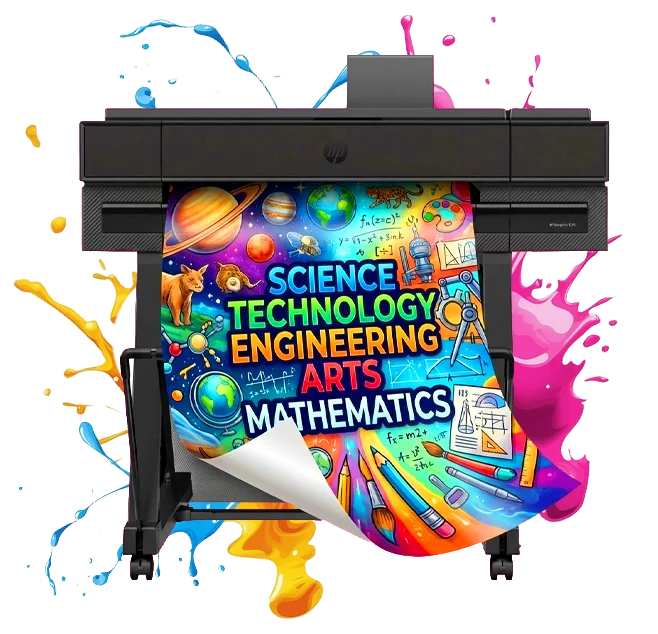
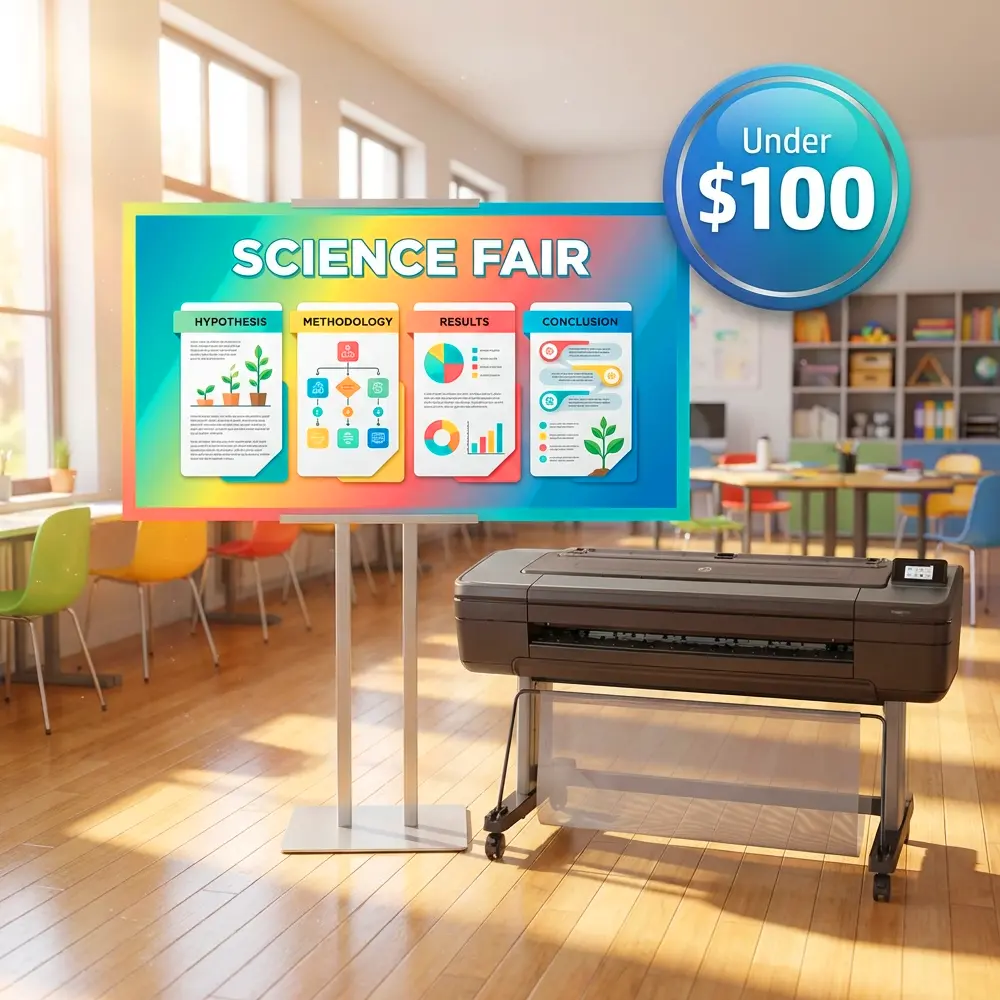
A poster making machine science fair project doesn't require breaking the bank. With strategic planning and professional poster printing equipment, students can create competition-worthy displays that rival those costing hundreds more. According to ISEF display guidelines, boards must fit within 48" x 30" x 94" dimensions—and this guide shows you how to maximize that space affordably using NASA's visual communication standards and classroom-tested methods.
The $100 Challenge
Maximize your science fair impact without maximizing spend. Here's how to allocate your budget for the best results.
Why Use a Poster Making Machine for Science Fair Projects
Professional displays consistently win more awards. Here's the data that proves it.
Science fair success often hinges on visual presentation quality. Students using Education Express 24" Poster Maker Package A consistently report improved judge engagement and clearer data communication.
Research from NSF ITEST programs demonstrates that clear visual hierarchies help communicate complex scientific concepts more effectively than text-heavy presentations.
More judge interaction time for students with professional-looking displays
Essential Materials
Smart material selection forms the foundation of budget-friendly displays. Using Coated Poster Paper provides professional results at approximately $1.30 per print.
-
Foam core boards (36" x 48" tri-fold)$15-20
-
Three poster prints (24" x 36")$45-55
-
Mounting adhesive or clips$8-10
-
Title letters and borders$10-15
-
Clear protective sheets$7-10
Pro Tip: Calculate poster dimensions before printing. Standard tri-fold boards accommodate three 24" x 36" posters perfectly, leaving room for physical samples and interactive elements.
NASA's 7-Step Approach to Science Fair Displays
Follow the same visual communication process used by NASA's Jet Propulsion Laboratory.
Define the visual problem first. What story must your display tell? Following NASA JPL's science fair guidelines, brainstorm layout options using rough sketches.
Build prototypes before final prints. According to Science Buddies guidelines, test readability from 3 feet away—the typical judging distance.
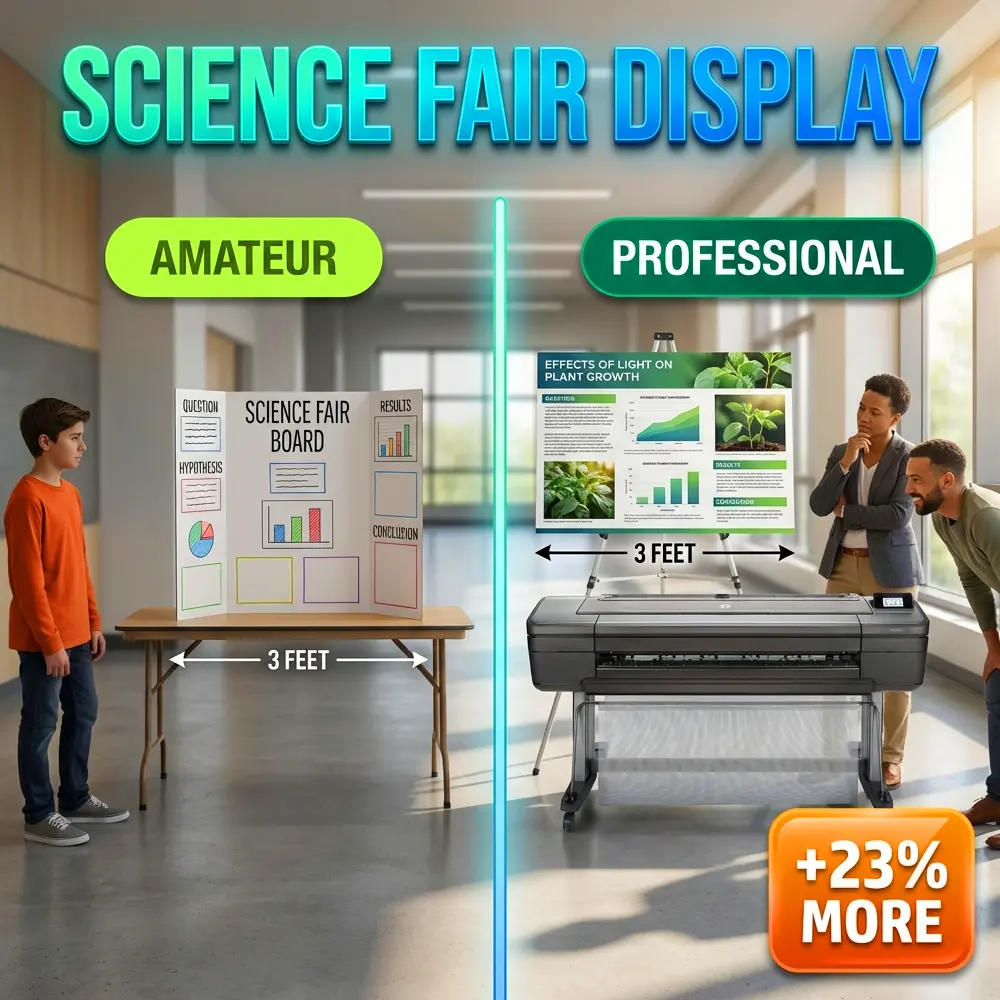
The Professional Difference
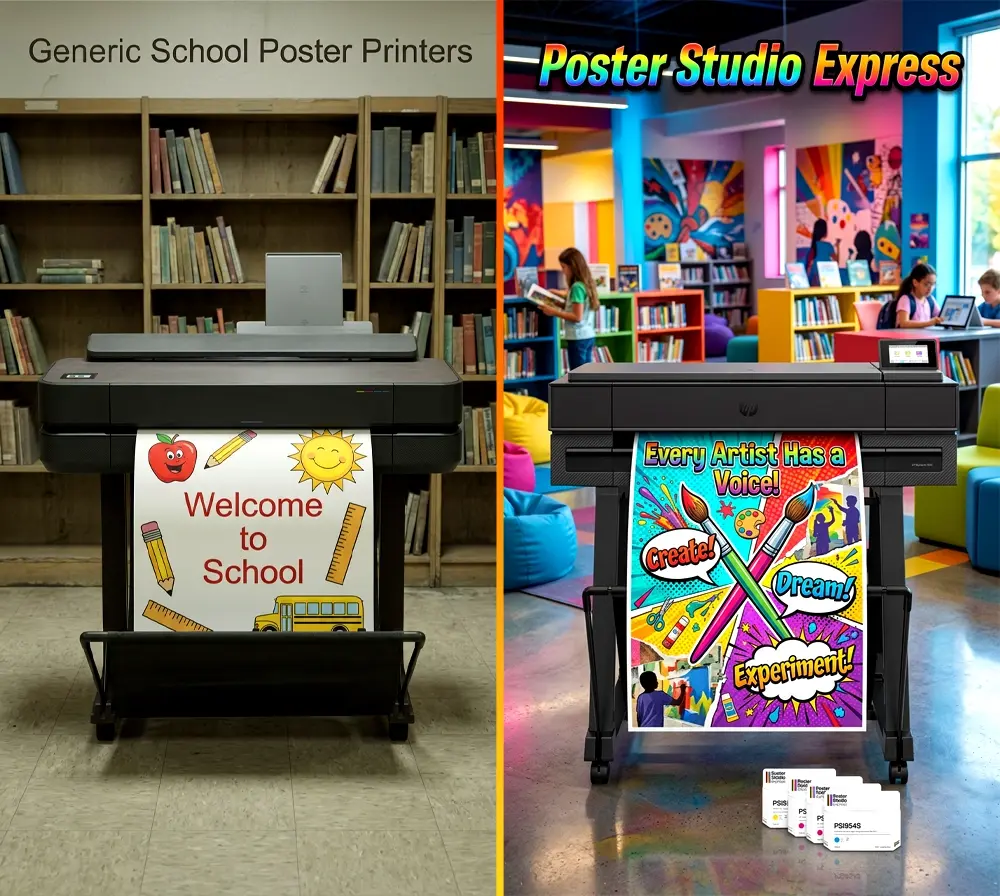
See the quality difference between professional poster-printed displays and traditional handmade boards. Judges notice the details—crisp text, vibrant colors, and clean layouts make your research stand out.
Making Your Data Pop
Guide judges through your research with strategic visual hierarchy and typography.
Typography Guidelines
Winning Case Study
Sarah Martinez's Plant Growth Experiment
Budget-conscious strategies that led to multiple awards
Materials
- Total: $87
- Tri-fold board: $18
- Three posters: $51
- Mounting: $18
Design
- Clear data graphs
- Consistent colors
- 3-foot readability
- Interactive QR codes
Innovation
- Fold-out data panels
- Sample display box
- Time-lapse photos
- Judge handouts
Results
- 1st Place Biology
- Best Visual Display
- Judge's Choice
- State qualifier
Templates by Category
Different disciplines require unique visual approaches. Our Lifetime Design Service provides customized templates.
Common Mistakes & Solutions
Follow the 30-40-30 rule: 30% visuals, 40% data/charts, 30% text.
Use WCAG guidelines. Dark text on light backgrounds ensures accessibility.
Print drafts one week early. Poster making machines allow quick iterations.
Arrange content left-to-right following natural reading patterns.
Your 4-Week Production Timeline
Students using Education Studio 36" Duplicator complete displays in half the traditional time.
Ready to Create Award-Winning Displays?
Professional science fair boards don't require professional budgets. Get started with the right equipment today.